

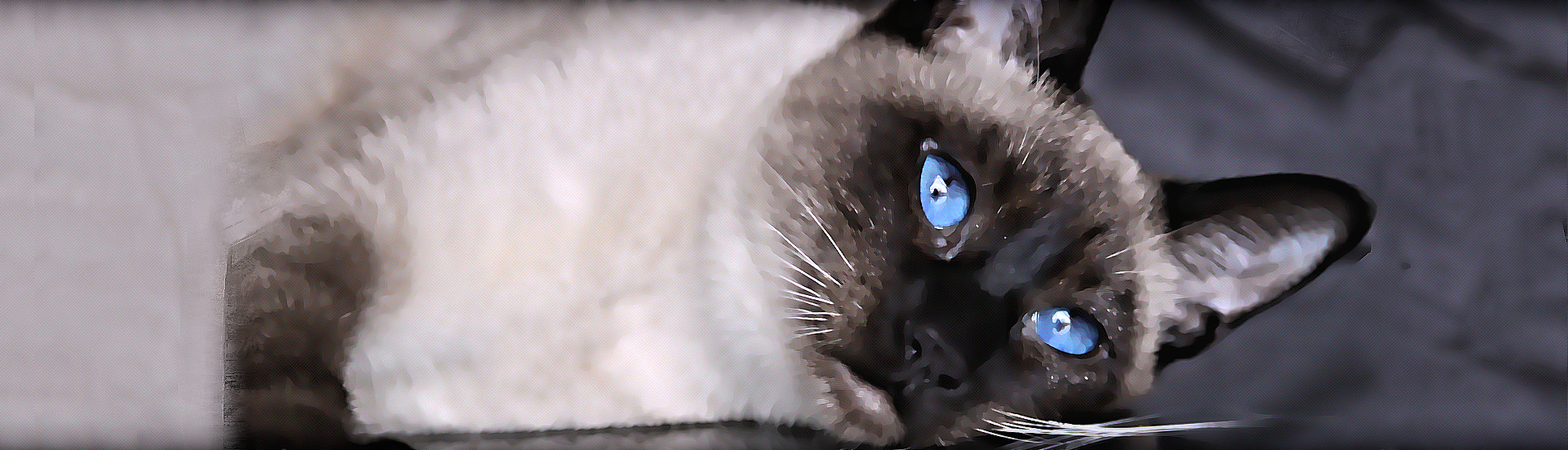
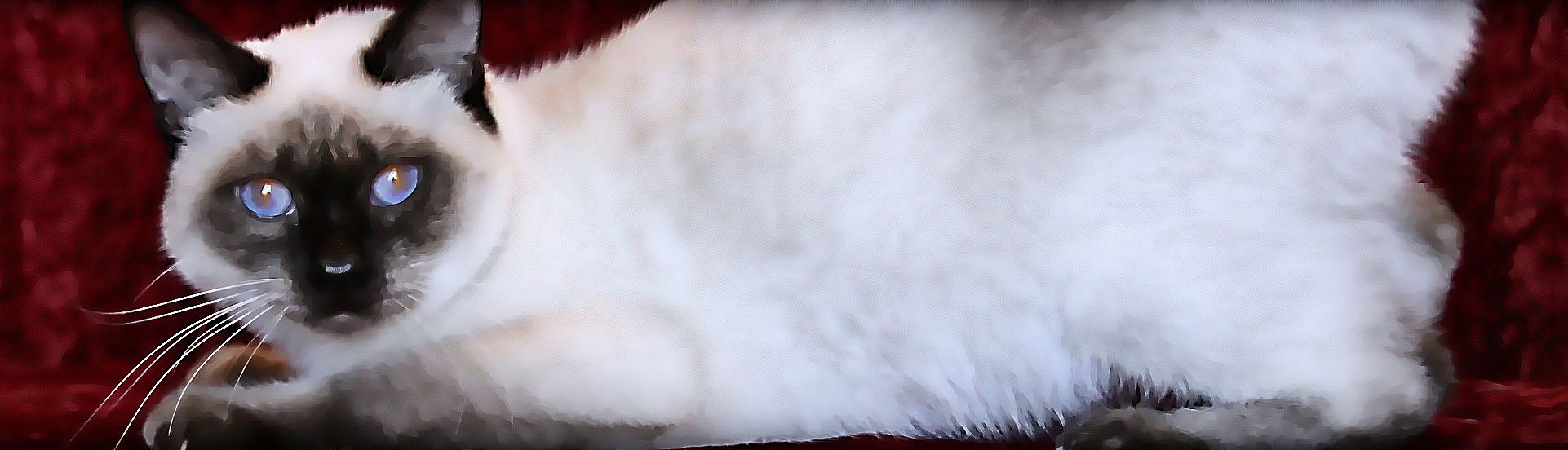


IMAGE GALLERY
ABOUT US
We are a small cattery raising all of our kittens underfoot and lovingly socializing them for their forever homes. We offer some of the most beautiful and sought after Traditional Siamese and Balinese kittens in United States. Kittens leave home tested for FeLV/FIV, vaccinated, parasite treated and come with a Health Contract. Our goal at Siamese Royalty is to raise high-




NEW! 2021 CALENDAR AVAILABLE

Photographs and text copyright reserved @siameseroyalty.com


THE FELINE DIGESTIVE SYSTEM
The basic dynamics of the feline digestive system is made a for meat eating hunter. In other words, cats are carnivores. That means that their digestive system is designed for quick processing of a high protein diet. A cat's mouth construction means that a cat tears or bites at his food. Swallowing it quickly allowing the salivary juices virtually no time for the preliminary break down of starchy food and carbohydrates into the blood sugars. Any starches/carbohydrates present in a cats diet is of little nutritional value. The feline's gastric juices are more powerful than those of a human. In fact, they are strong enough to soften bones. Cats are able to swallow large chunks of prey inducing feathers, hair and bones that are not broken down in the stomach may be regurgitated. In the stomach, the protein is broken down into amio acids, these amio acids combine to form the building blocks necessary for replacement of cells throughout the cats body.

KEY FEATURES OF THE WAY CATS PROCESS FOOD INCLUDE:
Sharp teeth designed to shear and tear prey.
No amylase in their saliva since they do not tend to eat high carbohydrates diets naturally.
Little starch processing enzymes in their pancreas since, again, they do not have carbohydrate processing capacities.
Taste Buds no sweet tooth like people and dogs. Short length of the gut and fast transit time means little weight in the guts for an active predator
Liver does not tend to store carbohydrates, and tends to become fatty if the normal dietary intake is disturbed.
Metabolism control is mostly controlled by protein intake since their pancreas uses amino acid triggers for insulin release, not glucose as with people and dogs.
Not garbage hounds like dogs, so do not tolerate or enjoy anything less than super fresh food.
What we call finicky, is thought to be due to their natural pickiness for fresh food, combined with an amazingly sensitive sense of smell that allows them to choose only the best!
More than you really wanted to know? This is the world of cats!


DIET & NUTRITION
INTRODUCTION
If you are presently feeding your cat food, now is the time to make the switch to food that will keep your special feline friend healthy for the rest of its life. Cats are obligatory carnivores. They require nutrients found in meat for mandatory survival. Cats metabolism is perfectly equipped to digest meat in a 2 hour period, compared to the human metabolic period of 36-
Below I will be listing a number of well known feline diseases that are growing concerns throughout veterinarian clinics within our country.
TARTAR CONTROL
There are varieties of tartar-
THE TRUTH ABOUT KIBBLE FOOD
As Pet Food industries began to expand, pet food companies were not required to keep up with real life studies. Consequently, pet food companies seemed to neglect cats unique metabolic enginery, which was made to adsorb energy and nutrients from protein, not carbohydrates. Today's cats are eating kibble food filled with high pre-
INFLAMMATORY BOWEL DISEASE
Sugars from processed carbohydrates found in kibble food flood the blood with sugar. The blood sugar is carried from the GI tract to the liver, alarming the pancreas by producing and secreting insulin to help lower the sugar levels, since high levels of sugar cause an accumulation of fat in the body. Consequently, the cat that is on a high carbohydrate diet repeatedly receives surges of insulin that the feline pancreas can not cope with. Many cats who are exposed to such an unnatural diet become overweight and are exposed to added pancreatic stresses which they are not equipped to deal with, often resulting in diabetes.
ARE CARBOHYDRATES CAUSING FELINE OBESITY DIABETES IN CATS?
Inflammatory Bowel Disease, or Inflammatory Bowel Syndrome is a not a definitive diagnosis, but rather the general process that occurs in the tissue of the gastrointestinal organs. IBD is an immune-
CAN CARBOHYDRATES CAUSE URINARY TRACT DISEASE?
The Urine of the cats/carnivores is acid based (pH below 7.4). Kibble food with a high carbohydrate content cause very high alkaline urine levels (pH above 7.4) which lead to inflammation of the Urinary Tract. Dry kibble cat foods also provide very little moisture. The natural prey, however, contains 75 to 80 percent moisture. Originally cats have a low thirst drive because of their origins. Thus, kibble-
HEPATIC LIPDOSIS
Hepatic Lipidosis, also known as fatty liver disease is the condition of Liver dysfunction caused by the accumulation of fat in the cells and tissue of the Liver. Occurring in cats, especially with a history of obesity, after a two week period of anorexia (loss of appetite) often affecting more females than males. Naturally this fat clogs the liver which in turn leads to failure of the liver normal function. Again we are reminded of the importance of a carbohydrate-
FELINE ALLERGIES FELINE ASTHMA
Skin allergies, IBD, Stomatitis, Asthma, and allergic Otitis are multiple manifestations of the same basic process and are often triggered by the same allergy-
CONCLUSION
A raw meat diet can correct all of the problems that are caused by commercial kibble foods. Many of the serious illnesses discussed earlier include Obesity, Diabetes, Urinary Tract Disease, IBD, Feline Allergies, Asthma and Tartar Control. A low protein diet causes cats to break down their own muscle quicker than omnivores do without protein, which can lead to a variety of health problems. Cats require an essential fatty acid called arachidonic acid, which is found only in animal protein fat. While dogs can manufacture arachidonic acid from other acids, cats cannot. Further, recent studies have shown that processed foods (Kibble and canned foods) are a contributing factor in increasing number of pets (like humans) suffering from cancer, arthritis, obesity, dental disease and heart disease. I have personally observed a greater improvement in overall health and size of the kittens since implementing a raw meat diet. Kittens/Cats fur is softer, shiner, they have more energy, their bodies and muscle tone feel sufficiently firmer. Queens are healthy, strong, robust and continue to have excellent body composition. They maintain steady weight gain throughout pregnancy, producing more lactation than seen in previous pregnancies, with no weight loss during and after the nursing period. Cats waste is almost odorless. A cat system is design to extract proteins and nutrients from meat in its raw state. Cats are unable to break down complex carbohydrates. The practice of feeding your cat carbohydrates, which they can not utilize, leads to many Feline Health Problems.
~Further Resources to read: Elizabeth M. Hodgkins, DVM, “Your Cat” A must read book, Simple Secrets to a Longer, Stronger Life. Dr Jeff Feinman BA, VMD, CVH, article on Feeding Your Cat, holds both molecular biology and veterinary degrees from the University of Pennsylvania. Michelle Bernard's Raising Your Cat Naturally online essay on The Truth About Dry Cat Food. I invite everyone to sign onto the Yahoo groups IBD site to view files on nutrition and discuss treatments Surgical Options. The Carnivore connection to nutrition in cats written by Dedra L Zoran DVM, PhD, DAVIM. Cat Nutrition.Org information Resources.Doc. Elizabeth Hodgkins D.V.M., JD can be reached at All About Cats Health Center, Yorba Linda, California 92887. Doc. Hodgkins is also a well known breeder and owner of Sunstone Ocicats, ph:1714-
LEARN HOW TO READ CAT FOOD LABELS. The pet food companies may divide the grains so they appear to be different: brown rice, brewer rice, rice flour, rice, corn gluten meal, corn grits, ground corn, corn meal, etc.

ANNE'S RAW MEAT DIET WITHOUT BONES
*Grinding the chicken/ Hearts & Livers with a meat grinder keep the gums and teeth clean & healthy.
Meat Grinder Information: STX Magnum 1800 W Meat Grinder
Or Realtree OutFitters #8 Made By Weston
*For every 5 LB of Ground Meat Ratio:
Please Use The Medium Grinding Plate:
*5 LB of Raw Ground Chicken Leg Hindquarters. Can be purchased from Walmart. Wash Chicken Leg hind quarters, and cut off excess fat on one side, but leave skin on the other side. Cut off end of drumstick.
* One tray of Chicken Hearts and Gizzards -
* 7-
* 2 cups of filtered/spring water
* 4 raw Egg yolks
* 2 SalmonOil 2000mg capsule
* 14 Teaspoons of Nuvet Plus (under 5LB) or 28 Teaspoons of Nuvet Plus (Over 5LB) (Use Code 32856 for discount)
OR
* Young Again CarnivoreRAW without Calcium (use Code 107617 for discount)
Please serve your kitten 1/2 cup of the Raw Diet morning and night. Adults 3/4 of a cup morning and night. MUST BE SERVED COLD OR SEMI-
Cut off excess fat from leg hindquarters, and end of drumstick bone, but leave skin on the other side. Mix egg yolks, meat & Nuvet plus or Young Again Supplements. Divide small portions (3/4 of a cup per kitten morning and night) in BPA SAFE Blue Glad plastic freezer containers or freezer bags and freeze. Freezer containers can be purchased from either Walmart or Dollar Tree. Only freeze what your cat requires for a morning and dinner meals. Thaw meat in the Fridge overnight, never use microwave. Once thawed, serve to your cat, do not leave out for more than 60 minutes on hot days.
Q1. I’m thinking of changing my cat food from kibble food to a raw meat diet. Where can I buy it from?
A1. There are number of wholesalers online where you can purchase an already made raw diet. Here are a few: Only Natural Pet Store, Feline Pride, FreshPet, Darwin’s Raw Cat Food and Natures Variety Raw. My favorite is Feline Pride, which contains chicken, whole chicken bones, chicken liver and heart, along with supplements that cats desperately need. ~ Never use the microwave to defrost the Raw Meat Diet with.~
Q2. Should I be concerned about parasites found in a raw meat diet?
A2. No, a cat’s stomach is very acidic and their intestinal tract is very short. This enables the meat to be digested and passed through their body very quickly, not giving enough time to cause problems. It takes 12 hours for a cat to digest kibble food which causes an excess/multiple of parasites, contrary to what we have been lead to believe. See below the effects that cooked meat have on cats. The research was conducted by Dr Francis Pottenger. Additionally it only takes cats 2 hours to digest raw meat, which contain 80% water, making the process very quick. The diet remains frozen and served immediately after the meat is thawed. Once thawed and served to your cat, do not leave out for more than 30 minutes on hot days. Never thaw the raw meat Diet in the microwave. However, a healthy cat with a healthy immune system is able to expel and fight of parasites and other diseases.
Q3. Should I be concerned about meat contaminations found in a raw meat diet?
A3. In the wild cats hunt and kill their prey and can tolerate low levels of contaminations found in a raw diet that would otherwise cause a human to be extremely sick or die. They are made to eat a raw diet. Their stomach enzymes help dissolve bad bacteria. Bacteria is destroyed by the high acidic stomach juices, and what little goes through does not have a chance to grow and cause problems because of the efficiency and speed that a cat is able to process meat. Again we see the parallel between a healthy natural diet contributing to a cat healthy nervous system and immune system. Above all, when handling raw meat, remember to practice good hygiene and common sense, as you would with your own family.
Q4. I am ready to make my cat the Raw Meat Diet, where can I find the recipe?
A4. There are two recipes for the raw meat diet. Annie's Raw Meat Diet -
Q5. Why is Taurine so important for my Cat?
A5. Taurine is an essential dietary nutrient for cats that is destroyed during the process of cooking. Uncooked meat stabilizes and contain double the amount of Taurine, which is not found in cooked meat. Further studies show, as outlined in the study carried out by Dr. Pottenger’s Cats, cooked meat destroys this important nutrient. While dogs and humans can make taurine from other amino acid precursors, cats do not possess the necessary enzymes to do this. Taurine deficiency may cause blindness, myocardial failure, immune responsiveness, the ability to maintain feline pregnancy, desorbing or aborting fetuses, still born, low weight births and other neurological symptoms. Deficiency of Taurine occur after periods (e.g. Five Months up to two years) Please read the benefits of Taurine in a Feline Diet
Q6. Is it safe to give my kitten the Raw Meat Diet?
A6. Yes, in fact the Raw Meat Diet is suitable for all stages of a cats life. A kitten can be given the raw meats as early as five weeks during the weaning process.
Q7. Yes it is true that cats are carnivores, however throughout the ages and centuries cats have been domesticated and hence no longer require a full raw meat die.
A7. Those who advocate such a position are usually adherents of the Macro-
Q8.Why the sudden suggestion that cats should only eat a raw meat diet?
A8. Cats have been and have always been carnivores for centuries. As directly opposed to insinuation inherent in the above question, the truth of the matter is that manufactured cat food is a giant moneymaker industry and a twentieth century invention/convenience.
Q 9. I have seen cats live to 20 plus years on regular Kibble food and that is my proof enough.
A9. Like humans, cats can live a relatively long, albeit often unhealthy life on a poor diet. The problem of course, is not just the length of life that they may experience, but the quality of life. A life subject to sickness and allergies coupled with poor immunity that is unable to fight off such problems certainly compromises the cats quality of life, even if the owners are well intentioned and otherwise competent caregivers.
NUVET PLUS SUPPLEMENT INFORMATION
To place an order, click on NuVet Banner or call:1-
Use Code # 32856 (for your special pricing) NOTE: This product is not available to the general public without an Order Code supplied by your Pet Professional.
So pure, it is one of the few pet products manufactured in an FDA ( human -
* Manufactured FDA approved. No sugars or fillers. Money-
* Enroll in auto shipping and receive an additional 15% off every order, making shipping free.
*Human Grade Ingredients.


RAW FOOD COLLAGE
POTTENGER’S CATS ~ COOKED MEAT VS RAW MEAT
Toward the middle of the 20th century, Dr. Francis M. Pottenger, Jr, drawing on the experiments of Weston Price in his treatments of respiratory disease, conducted a study on the effects of heat-
*Facial deformities: narrowed faces, crowded jaws, frail bones and weakened ligaments
*An excess of parasites
*All manners of disease
*Female cats became more aggressive while males became docile
*Difficulty with pregnancy and after three generations, pregnancy failed
*Kittens born of these pregnancies often did not survive to adulthood
*Kittens showed skeletal deformities and organ malfunctions Clearly, there was a direct link between the cooking of meat and the resultant evidence of malnutrition in Pottenger's cats. Read additional information on, What Is Best, Cooked Or Raw written by Edmund R. Dorosz, BSA, DVM
“To shudder with horror at the thought of giving a carnivorous predator raw meat is silly; shudder instead at the sad state of the modern factory farm, and how the livestock industry has trained us to accept that our foods are so filthy we don't dare any longer to give the dog a bone.”
Unknown Arthur



| Early Alteration |
| Links |
| Young Again & Nuvet |
| Smoke & Pets |
| Health |
| Celebrities |
| Waiting List |
| Cattery Cost |
| Kittens |
| Cat Names |
| Testimonies |
| Testimonies Two |
| Testimonies Three |
| Color Pt Lynx |
| Body Types & Colors |
| Personalities |
| History |
| Past Breeding Cats |
| Available Adults |
| Guestbook |
| TimeLine |
| Store |